


How to Help Your Lawn Recover from Drought
The Xperts2026-07-14T17:54:16+00:00After a drought in Wisconsin, the goal is to help the lawn recover without creating additional stress. What you do depends on whether the grass is simply dormant or has suffered significant damage.
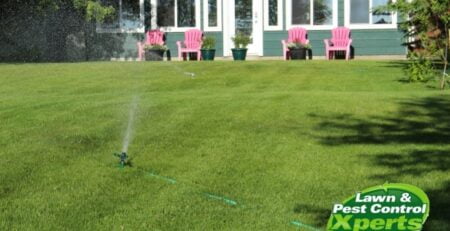
1. Water Deeply, Not Daily
When rain returns, avoid frequent light watering.
- Water enough to moisten the soil 4–6 inches deep.
- Aim for about 1–1.5 inches of water per week (including rainfall).
- Water early in the morning to reduce evaporation and disease risk.
Many Wisconsin lawns with cool-season grasses (Kentucky bluegrass, fescue, ryegrass) can go dormant during drought and green up again after a few weeks of adequate moisture.
2. Wait Before Fertilizing
If the lawn is brown and stressed, don’t immediately apply heavy fertilizer.
- Allow the grass to resume active growth first.
- In Wisconsin, the best major fertilizer application is usually late summer to fall (roughly late August through October).
- Once recovery begins, a balanced slow-release fertilizer can help rebuild root reserves.
3. Raise Mowing Height
Keep mowing high during recovery.
- Maintain grass at about 3–4 inches.
- Never remove more than one-third of the blade height at a time.
- Taller grass shades soil, conserves moisture, and encourages deeper roots.
4. Check for Permanent Damage
After a few weeks of watering and rainfall:
- If grass crowns are still alive, it should recover.
- Areas that remain thin, bare, or gray may need reseeding.
Pull gently on brown patches:
- If plants resist, they may be dormant.
- If they pull out easily and are brittle, they may be dead.
5. Overseed Thin Areas
For Wisconsin lawns, late August through September is often the ideal time to overseed.
Good choices include:
- Kentucky bluegrass
- Tall fescue
- Perennial ryegrass
Keep newly seeded areas consistently moist until germination.
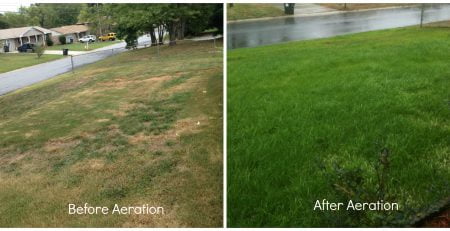
6. Consider Core Aeration
If the soil became hard and compacted during the drought:
- Core aerate in late summer or early fall.
- Aeration improves water infiltration and root growth.
- Aeration and overseeding are often done together.
7. Watch for Weeds
Drought-stressed lawns often develop weed problems once moisture returns.
Common invaders include:
- Crabgrass
- Plantain
- Clover
It’s usually better to focus on thickening the lawn first and apply weed controls later if needed.
Typical Wisconsin Recovery Plan (June–August Drought)
- Resume deep watering.
- Mow high.
- Wait 2–3 weeks to assess recovery.
- Aerate if compacted.
- Overseed thin spots in late August–September.
- Fertilize in early fall.